







Search Results for: gender controversy

Starbucks India's transgender-themed ad sparks a public backlash, but the company responds that market reception has been good.
Global coffee chain giant Starbucks recently released a scenario-based advertisement in the Indian market with a transgender theme, starring well-known transgender actress Sia, telling a heartwarming story of an Indian couple gradually accepting their child's gender identity transition. Once the advertisement was published, it caused an uproar on local social media, with supporters praising it for conveying an inclusive message, while opponents called for a boycott. Facing polarized public opinion, Starbucks officially responded that the advertisement had "received a good response" in India. Is this brand marketing around gender issues a successful breakthrough or a misstep? This article will walk you through the full picture of the incident and the voices from all sides. [more…]

Luckin Coffee's collaboration with "Black Myth: Wukong" sparks controversy, with IP gender discrimination backlash becoming the focal point.
Luckin Coffee recently officially announced a co-branding partnership with the domestic single-player game Black Myth: Wukong, with the limited-edition drink Soaring Americano and themed merchandise set to launch soon. The news quickly trended on social media, and players were eagerly anticipating it. However, as the collaboration gained traction, some netizens dug up past sexist remarks made by the game's core creative team, sparking widespread controversy. Some believe that while Luckin's move can ride the momentum of China's first AAA blockbuster, it could also suffer backlash due to the public opinion storm surrounding its partner. Is this collaboration a win-win or a risk? Let's take a closer look. [more…]

Half Box Field Coffee's slogan sparks controversy among working mothers, reigniting debate over the boundaries of brand marketing
Recently, Half Box Farm Coffee has found itself in a public opinion storm due to a slogan on its product packaging: "Every working mom owes her child an apology." The slogan was criticized by netizens as discriminatory against working women. The brand's customer service explained that the original intention was to encourage mothers to spend more time with their children on weekends, but this failed to quell the controversy. As the incident continued to escalate, working mothers spoke out one after another, expressing their dissatisfaction with such copywriting. The brand has no flagship store on mainstream e-commerce platforms and sells only through Douyin, and its customer service responses have been vague. This storm not only exposed the brand's lack of sensitivity on gender issues, but also sparked discussions about the boundaries of marketing. For professional coffee knowledge exchange and more coffee bean information, please follow Coffee Workshop. For specialty coffee beans, you can add Front Street Coffee on WeChat. [more…]
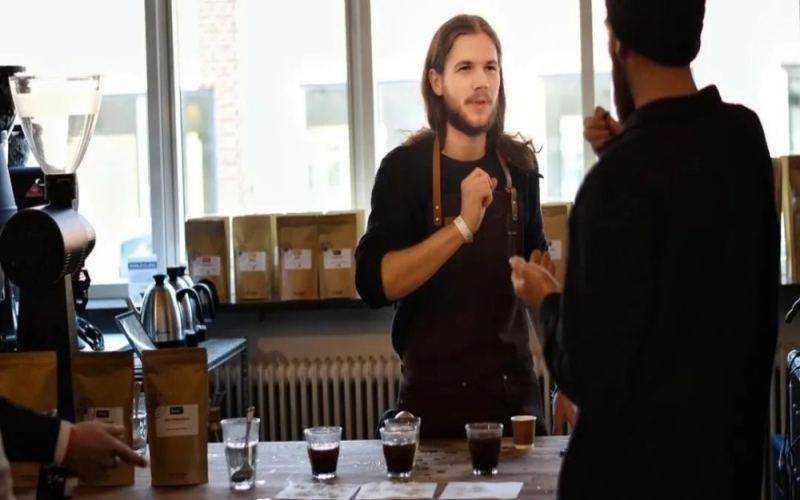
The US Bikini Coffee Shop Dress Code Controversy and Safety Incidents: From Marketing Tactic to Federal Court Ruling
In most people's perception, baristas usually present a neat and proper image, but in the U.S. state of Washington, some coffee shops use scantily clad female baristas as a selling point, offering drive-thru service. Since this bikini-style marketing was born in the 1980s, it has brought booming business while also continuously sparking controversy. Local governments have repeatedly introduced regulations restricting employee attire, only to have them ruled by federal courts as carrying a flavor of gender discrimination. After the dress code was abolished in 2021, baristas won the freedom to wear what they want, but not long afterward an attempted kidnapping targeting a store employee occurred, raising concerns about the safety of this kind of work environment. [more…]
Tea Yan Yue Se's advertising copy sparks controversy, issues two apologies overnight—where are the boundaries of brand marketing?
Sexy Tea (Chayan Yuese) trended on social media after its advertising copy was accused of insulting women, and it issued two apology statements late on February 19 and in the early hours of February 20. The incident was triggered by the inappropriate use of Changsha slang such as "picking up scraps" on its cups, which sparked netizens' doubts about the brand's creative boundaries. The first apology failed to calm public opinion, and Sexy Tea then issued another statement, admitting that it had mishandled the boundaries in its early product creation and had removed the problematic products from sale. This controversy not only exposed the brand's missteps in using dialect slang and gender-relation jokes, but also prompted reflection on balancing marketing creativity with values. [more…]
Is the distinction between male and female coffee beans real? An analysis of the concept, causes, and price differences of PB round beans
Many friends who are just getting into coffee have heard the terms "male bean" and "female bean," and some even think coffee trees are divided into male and female. In fact, coffee flowers are hermaphroditic plants, and coffee beans themselves have no gender distinction. The so-called "male bean" comes from the English word Peaberry, abbreviated PB, and the more accurate Chinese name for it is "round bean." It is a special growth form, usually with only one oval seed inside a single fruit, whereas normal beans have two semi-oval seeds. The formation of peaberries is related to pests and diseases, drought, insufficient nutrition, or the growing environment of the branch tips. Their yield is scarce, they are often expected to be sweeter and fuller-bodied, and their price also tends to be higher. This article will systematically sort out the conceptual misunderstandings surrounding male beans and female beans, the causes of peaberries, the controversy over their flavor, and the market phenomena of well-known peaberries such as Hawaiian Kona, Tanzanian, and Jamaican Blue Mountain, to help you see clearly what PB really means. [more…]
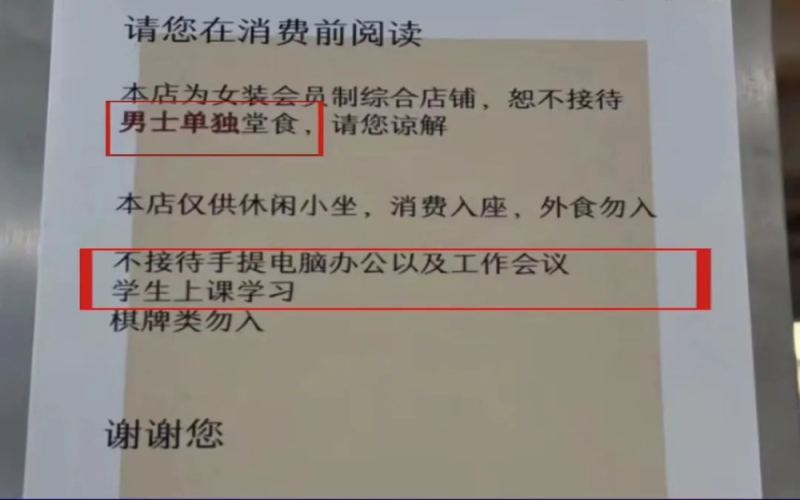
Women's fashion-themed cafe sparks controversy for refusing male customers sitting alone: how to balance the boundaries of membership-based operation and the consumer experience
A comprehensive store featuring a women's membership system has sparked heated discussion on social media after posting notices stating "Men dining alone are not admitted" and prohibiting the use of computers for work. Some customers made special trips only to be turned away for bringing laptops, while others who called 12315 were told the merchant had not violated any regulations. The store responded that limiting long stays was to avoid disturbing customers trying on clothes on the second floor, but some consumers felt it was inappropriate not to clearly inform them before charging. This debate over gender, consumption scenarios, and business autonomy reflects the real dilemmas composite-format coffee shops face regarding customer positioning and service boundaries. [more…]

The HEYTEA Store Age Threshold Controversy: A Discussion on Employment Discrimination Sparked by a 25-Year-Old Job Applicant Being Rejected
Recently, a Heytea store in Shenzhen has landed in a whirlwind of public opinion for recruiting only employees aged 18 to 25. After a job seeker over 25 was rejected, it sparked heated discussion among netizens. Some criticized it as blatant age discrimination, while others believed that because work at milk tea shops is intense, companies have the right to choose freely. Behind the incident, it reflects the widespread preference for the "youth dividend" in the current job market, as well as the difficulties faced by middle-aged job seekers. Legal professionals pointed out that such a practice is suspected of violating the Labor Law and the Employment Promotion Law, and the Shenzhen Federation of Trade Unions also spoke out in criticism. Heytea responded that it was a communication deviation at a single store. Who is right and who is wrong in this controversy? Will young people over 25 still continue to drink Heytea? [more…]

Coffee machine ad featuring a semi-nude model sparks outrage—why does borderline marketing keep happening despite repeated bans?
In recent years, brand marketing tactics have proliferated, but some approaches frequently cross the line. A certain coffee machine brand sparked strong public backlash for using semi-nude models to demonstrate product settings in its advertising. From skin color hinting at concentration levels to scenes of kneeling to brew coffee, this series of moves was not only vulgar but also involved the objectification of women and racial bias. Although customer service claimed there was no violation, the images were quietly replaced. This article takes a deep dive into the brand logic behind this controversy, exploring why borderline marketing persists despite repeated bans and what real costs it brings to brands. For coffee lovers, we should focus more on the coffee itself rather than being led astray by gimmicks. [more…]
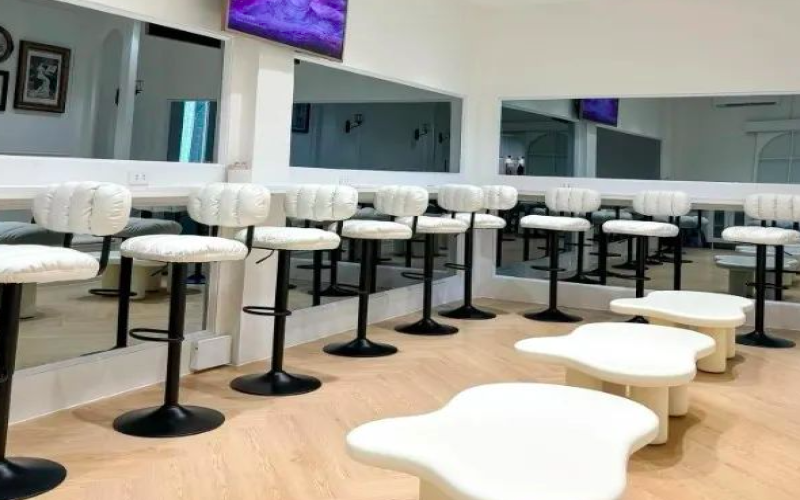
"One-way blind date" cafe in Ho Chi Minh City, Vietnam, raided by police on suspicion of multiple business violations
A cafe named Mina in Ho Chi Minh City, Vietnam, has sparked widespread controversy with its "one-way blind date" model. Male customers can observe female customers through one-way glass, while the women are completely unaware of it. This practice, imitating old-style cafes in Japan, has been criticized by netizens for objectifying women as window-display merchandise. Even more worrying is that the shop also offers a so-called "companion tour" service, and incidents of male customers secretly photographing women have occurred. On June 3, Vietnamese police raided the shop. Although no direct evidence of harm to women was found, multiple violations were discovered, including the absence of labor contracts, lack of a food hygiene license, and breaches of fire safety regulations. Whether this cafe can continue to operate remains unknown at present. [more…]
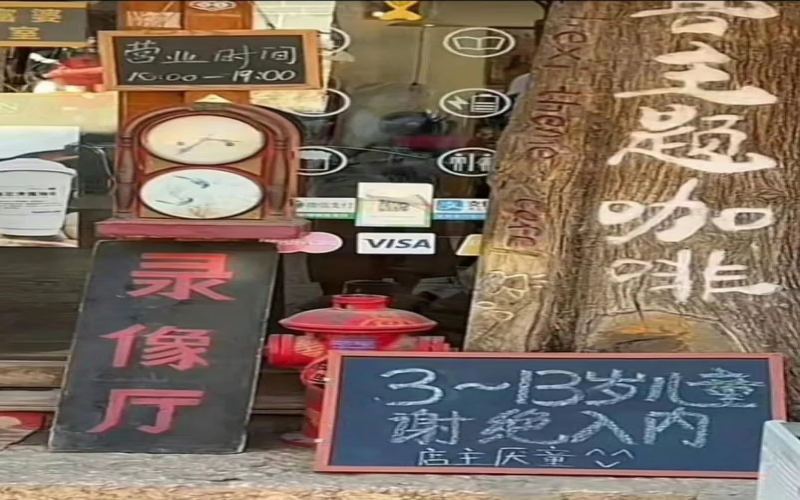
Cafés successively refusing entry to children sparks heated debate, South Korea's "no-kids zones" phenomenon also draws attention
Recently, two incidents of coffee shops refusing to serve children have caused a stir online. On one side, a coffee shop in China put up a notice at its entrance reading "Children aged 3 to 13 are not admitted," with the owner openly stating they "dislike children"; on the other, South Korea's increasingly common "No Kids Zone" has once again become a topic of discussion, with some establishments even posting signs reading "dog yes, kids no." Supporters argue that coffee shops are meant to stay quiet and that businesses have the right to avoid risks; opponents criticize the signs as discriminatory. What social nerves does this debate about "child aversion" actually touch? And what predicament of public space is reflected in the "bratty kids' parents" that young people complain about? [more…]
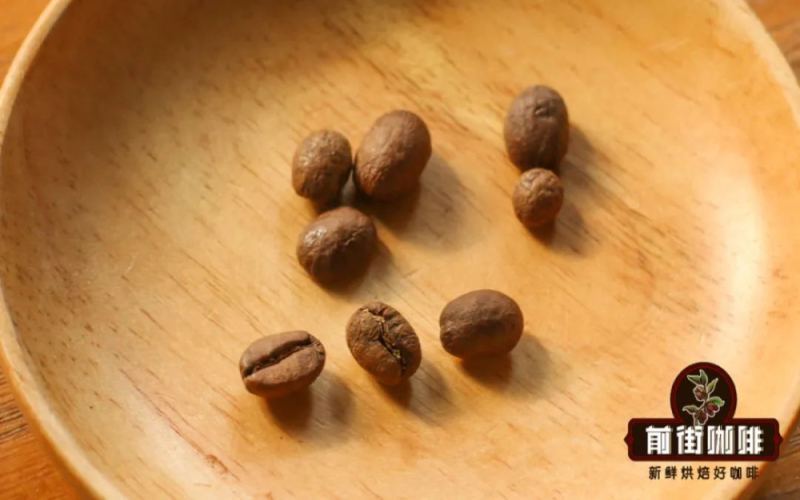
Do Coffee Beans Really Have Male and Female Types? Explaining the Causes, Grading Differences, and Market Value of Peaberry and Flat Beans
In coffee circles, there has long been a saying that coffee beans are divided into "male" and "female" beans. Some people call oval beans "male beans" and flat beans "female beans," and use this to drive up the price of round beans. However, the truth is that coffee beans have no gender distinction. The difference between round beans and flat beans comes from whether the ovule was successfully pollinated during fruit development. Round beans are sought after because they are rare, but they show no significant flavor difference from flat beans of the same variety from the same origin. This article will systematically sort out the origin of round beans, their particle size characteristics, the logic of grading and pricing, and the actual attitudes of various producing regions toward round beans, to help you view this special bean shape rationally. [more…]
Scan-to-Order Forcing Phone Number Authorization? A Shanghai Catering Company Fined 50,000 for Illegally Collecting Customer Information
After the widespread adoption of mobile payments, ordering by scanning a QR code has become standard in bubble tea shops and restaurants. But have you ever noticed that many ordering mini-programs require you to authorize your mobile phone number or even more personal information before use? In October of this year, the Market Supervision Administration of Putuo District, Shanghai, investigated and dealt with a case involving a catering company illegally collecting consumer information, which sparked widespread attention. The restaurant guided customers to order by scanning a QR code on the table, but forcibly required authorization of their mobile phone numbers, and did not inform them of the purpose of use. Moreover, the backend allowed arbitrary access to and download of member data such as names, genders, mobile phone numbers, and card balances. Ultimately, the company was warned and fined 50,000 yuan. With the official implementation of the Personal Information Protection Law, penalties for such acts will be significantly increased, and consumers' privacy rights deserve more attention. [more…]
Analyzing the Differences Between Peaberry and Flat Beans: How to Tell Male and Female Beans Apart, the Meaning of Peaberry, and a Flavor Comparison
Have you ever heard of the "gender secrets" hidden inside coffee beans? The so-called male and female beans are simply the folk names for Peaberry and Flat Beans. Peaberry is a special form in which the coffee fruit fails to split normally into two halves and produces only a single oval seed, accounting for about 5% of the total yield. This article will systematically sort out the differences between Peaberry and Flat Beans, from their causes, appearance identification, and flavor performance to market rarity. It will also explain why it has been given the name "dream coffee," and include a recommendation from Front Street Coffee to help you understand the tricks behind this tiny bean. [more…]
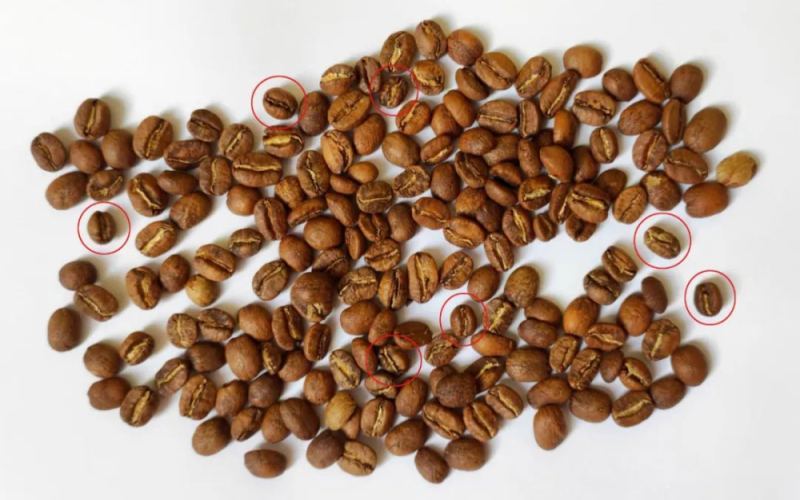
What exactly is the difference between peaberry and flat beans? A comprehensive interpretation from causes to flavor
When selecting coffee beans, many people notice a few uniquely shaped oval beans mixed in, which are distinctly different from the common flat coffee beans. Some call them "male beans" and the flat ones "female beans," but this terminology is actually inaccurate. Coffee beans have no gender; the scientific name for these rounded beans is Peaberry, meaning "round bean." How are peaberries formed? Is their flavor truly superior to regular flat beans? Why do different producing countries sort and sell them separately? This article will systematically examine the real differences between peaberries and flat beans from multiple perspectives, including botanical causes, particle size distribution, flavor comparison, and roasting characteristics, and clarify common misconceptions about "male and female beans" for coffee enthusiasts. [more…]
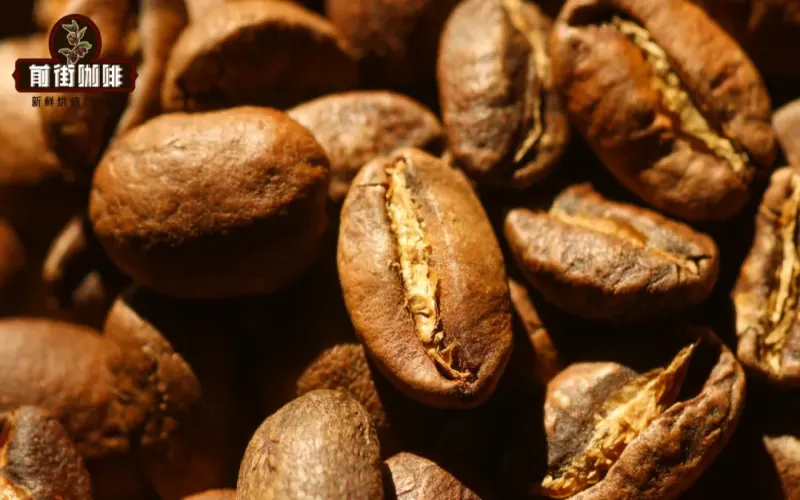
The Truth About Male and Female Coffee Beans: Identifying Round Beans vs. Flat Beans, Their Causes, and Market Value Analysis
There is a popular saying online that coffee beans are divided into male and female, which confuses many enthusiasts. In fact, coffee beans have no gender differences; the so-called "male beans" and "female beans" are simply round beans and flat beans with different shapes. This article will trace the origin of this claim, explain the reasons for the formation of round beans, and analyze their special status in coffee grading and pricing. At the same time, we will also discuss whether there is really a difference in flavor between round beans and flat beans, and why most producing regions do not specifically screen for round beans. By understanding these basic facts, you will be able to view differences in coffee bean shapes more rationally and no longer be misled by marketing talk. [more…]
Where does the idea of male and female coffee beans come from? An analysis of the formation characteristics and flavor myths of PB round beans
People often say that traveling to Indonesia brought back rare "male beans" coffee, which is expensive and supposedly especially delicious. But are coffee beans really divided into male and female? The so-called male bean is actually Peaberry, also called round bean in Chinese; it and the common flat bean differ only in growth form, not in gender. The formation of peaberry is related to pests and diseases, drought, malnutrition, or the growth environment at the tips of branches, and botanically it is even classified as a defective bean. Some people think peaberry is mellow and sweet, while others regard it as a by-product with no commercial value. This article helps you clarify the true meanings of male bean, female bean, and PB, and introduces common peaberry coffees on the market, including Front Street Hawaii Kona Peaberry, Front Street Tanzania Peaberry, and Front Street Jamaica Blue Mountain Coffee Peaberry. [more…]
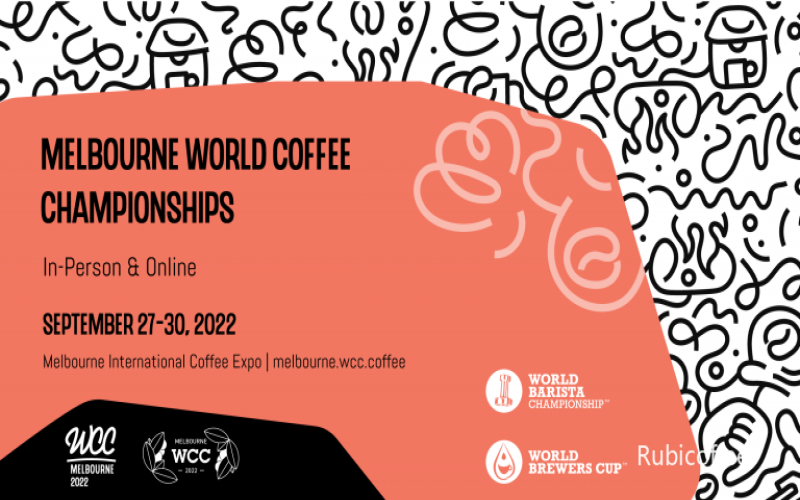
With the 2022 WBC and WBrC about to kick off in Melbourne, past competitors are calling for transparent and inclusive reforms to the competitions.
The 2022 World Barista Championship (WBC) and World Brewers Cup (WBrC) will be held concurrently in Melbourne, Australia, from September 27 to 30. As top-tier events in the coffee world, WBC and WBrC have for years driven the development of the specialty coffee industry and the professionalization of baristas. However, in recent years, multiple past champions and competitors have pointed out shortcomings in the events regarding scoring transparency, judge selection, theme setting, and gender inclusiveness, calling for reform. This article will walk you through the latest developments of the events and take an in-depth look at competitors' views and suggestions for the future development of WBC. [more…]
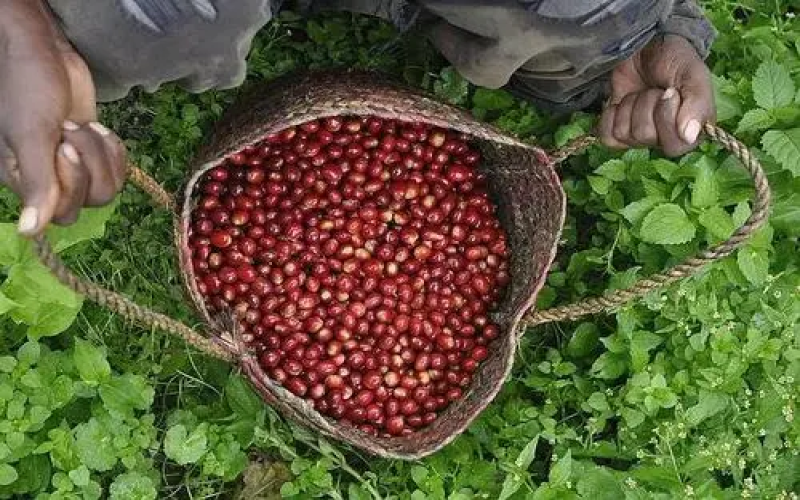
Kenya invests 6 billion shillings to revitalize the coffee industry, partnering with the Rainforest Alliance to promote EU compliance certification
Kenya's annual coffee production is approximately 51,000 metric tons, and the government is pursuing a series of strategic initiatives to raise this figure by 49,000 metric tons in order to better meet international market demand and strengthen the country's economic influence. To this end, the Kenyan government recently decided to allocate 6 billion shillings (approximately US$37.62 million) to support the Coffee Cherry Advance Revolving Fund and the production segment, with funding starting in Makueni County and gradually extending to 37 coffee-growing regions including Machakos, Kajiado, Taita Taveta, Kirinyaga, and Murang'a. Meanwhile, the Rainforest Alliance is also taking action in Kenya, partnering with the Gusii Coffee Farmers Cooperative Union to launch a regenerative agriculture landscape coffee project, helping local coffee obtain certification that meets global standards in order to address the export threshold brought about by the EU Deforestation Regulation (EUDR). Whether this series of measures can take Kenyan coffee a step further on the international stage is worth continued attention. [more…]
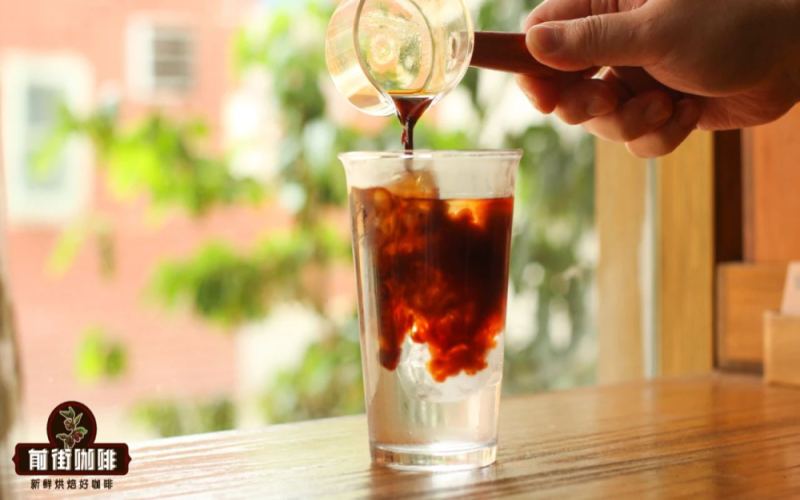
What Exactly Is Americano? How It Differs from Espresso and How to Make Iced Americano at Home
Americano is the most popular category in coffee shops aside from milk coffee, and its taste appeal is fairly balanced between men and women. It is essentially espresso diluted with hot water, which retains the coffee aroma while lowering the strength, matching the drip coffee taste familiar to American consumers. Front Street Coffee has found in its daily production that Americano is popular mainly because of its high cost-effectiveness, freely adjustable strength, and simple, no-fuss choice. This article will systematically review knowledge related to Americano, from its definition, reasons for its popularity, and espresso bean selection to home brewing methods, and will provide flavor and price information for four espresso beans including Front Street Warm Sun Blend. It will also share specific ratio plans for hot and iced Americano, making it easy for coffee lovers to replicate at home. [more…]